

Episode 249 | Watch on YouTube | Listen on Buzzsprout
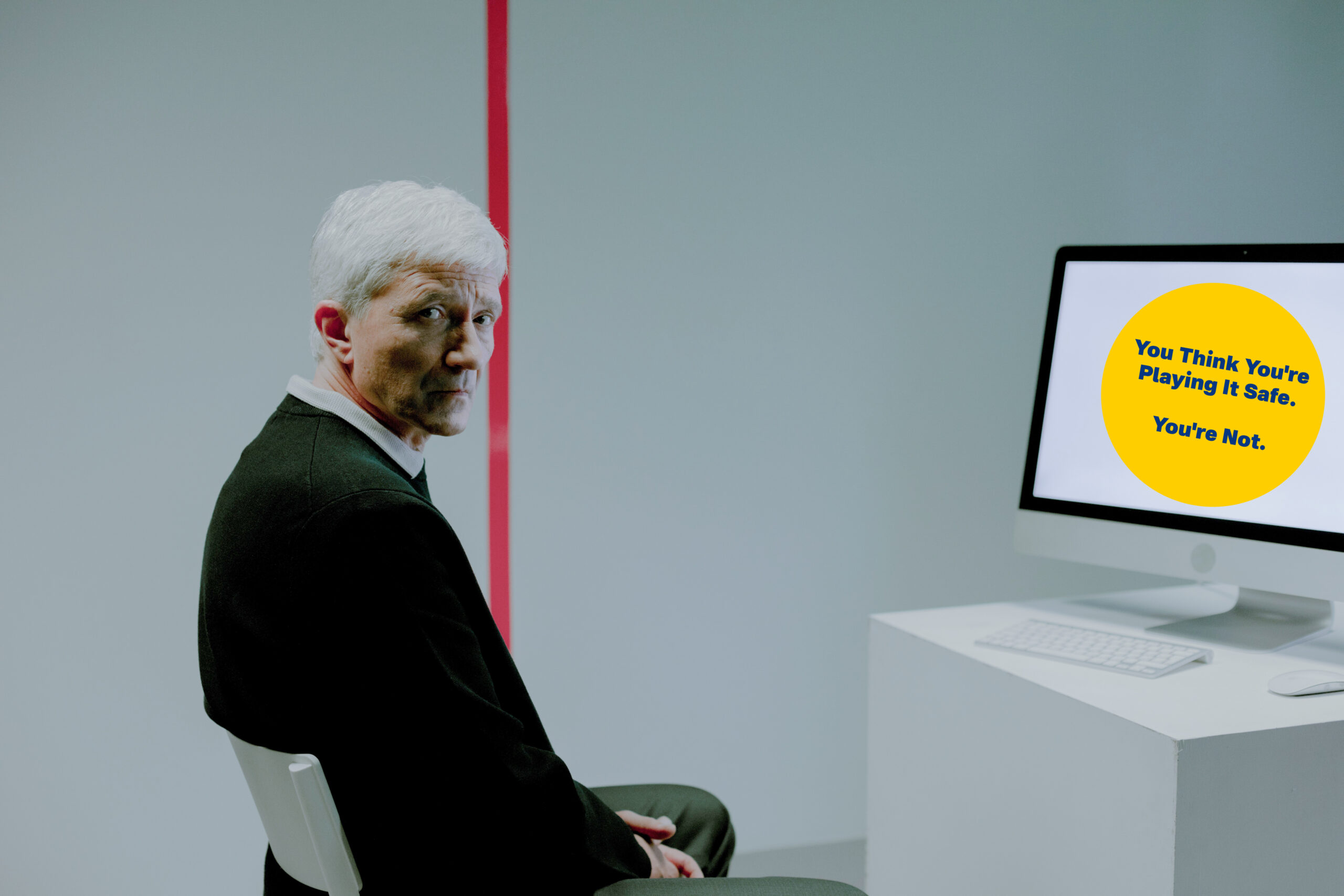
Most people think staying put is the safe move.
Keep your head down. Do good work. Don’t rock the boat. The idea of building something outside your employer feels unnecessary — even risky — when you’ve already got a stable income.
That logic makes sense in the short term. The problem is that short-term safety creates long-term exposure. And you don’t feel that exposure until you actually need something — a new job, a backup income, a client — and you realize you’ve built nothing.
The Most Concentrated Risk Position You Can Hold
When your entire income, career identity, and professional network runs through one employer, you are not in a safe position. You’re in the most concentrated risk position a professional can hold.
One bad manager. One acquisition. One reorg. And everything you’ve built for the last decade is in someone else’s hands.
That’s not safety. That’s dependence.
What Happens When You Only Show Up When You’re Desperate
One IEM alumnus told me something honest on a recent call. He said he only reached out to his network when he needed a job. Not to stay connected. Not to add value. Only when he was desperate.
And by then, the momentum was gone. He’d lost what he called “the flare” — the confidence and habit of reaching out. When he needed it most, it wasn’t there.
You can’t turn a network on in a crisis. It has to already be running.
Three Things to Start Doing Now
None of these require you to quit your job or start a business. They just require you to start before you need to.
1. Show up before you need something. Five contacts a week — email, LinkedIn, text. No ask. Just staying in the mix. This is the most underrated thing a professional can do.
2. Test your expertise outside your company. Can you explain what you do to someone who doesn’t work with you? Can you solve a problem for someone who isn’t your employer? If not, that’s worth knowing now.
3. Do the audit. Most people don’t know what they’re actually worth — not what their salary says, but what value they generate. That number matters. If you can’t articulate it, you can’t use it.
The Guy From the Open
I mentioned someone at the start of this episode — a sharp, experienced professional near retirement who told me his skills feel “old” and he’s just now starting to think about what’s next.
It’s not too late for him. He has real experience. Real problems he’s solved. That has value beyond his employer. But he needs to start now — not when he retires, not when the job disappears. Now.
The best time to build options is when you don’t need them.
Grab “Moving Past Obstacles” FREE download
📄 Download the free Moving Past Obstacles guide to help you work through what’s actually in the way:
⤵️👇
Listen to the episode above or find it on your favorite podcast app.
If this resonated, I share grounded insights like this each week in my LinkedIn newsletter
— focused on clarity, ownership, and taking control of your direction without hype.
If This Helped You
Follow the podcast and subscribe on YouTube. Hit like, follow, or subscribe — depending on where you’re reading this. 👍
It tells the platforms that this kind of clarity is worth putting in front of other professionals who feel stuck and want control of their career again.
Reach out if you want help with your next move.
And if you want personal help taking control of your career and income, grab a Strategy Session with me.




0 Comments